
Understand Your Credit — and Choose the Right Path Forward
Credit issues aren’t all the same. Some can be handled with education. Others require legal escalation. We help you understand the difference.
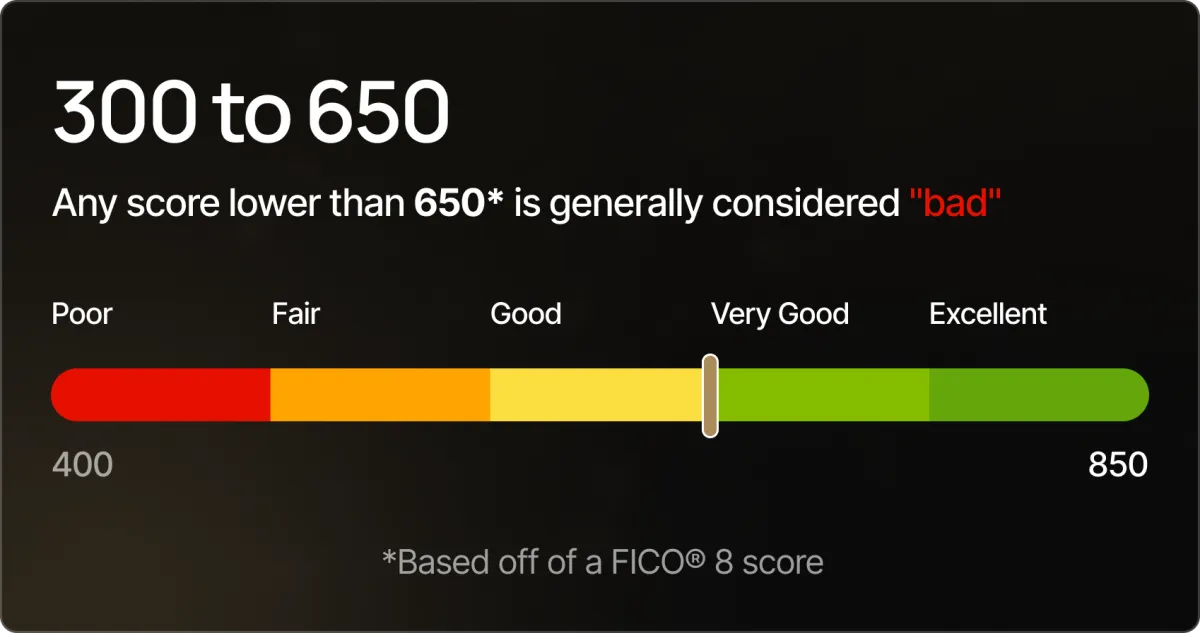
Your score is a symptom — not the problem. Understanding why it looks this way determines the right solution.
Bad Credit Can Affect More Than You Think

Approvals
Getting approved for a mortgage

Low Rates
Securing good rates on a auto loan

Top credit cards
Getting a low-interest credit card

Loans
Borrowing money from a prime lender
The question isn’t whether credit matters, it’s how to address it correctly and legally.
What affects my credit score?

Payment history
What it is:
Your track record of paying accounts on time.
Why it matters:
Late payments, charge-offs, collections, and defaults have the largest impact on your credit score and can remain on your report for years.

Credit utilization
What it is:
The percentage of your available credit that you’re currently using.
Why it matters:
Lower utilization generally signals lower risk. Many scoring models favor keeping usage below 30%, with lower often being better.

Credit mix
What it is:
The variety of credit accounts you have, such as credit cards, auto loans, student loans, or mortgages.
Why it matters:
A healthy mix can slightly improve your score, but it carries less weight than payment history or utilization.

Credit length
What it is:
How long your credit accounts have been open, including the age of your oldest account and the average age of all accounts.
Why it matters:
Longer credit history provides more data for lenders to assess risk and generally supports stronger scores over time.

Hard inquires
What it is:
Records of lenders checking your credit after you apply for new credit.
Why it matters:
Too many hard inquiries in a short period can temporarily lower your score, but their impact is usually minor and short lived. (2 years)
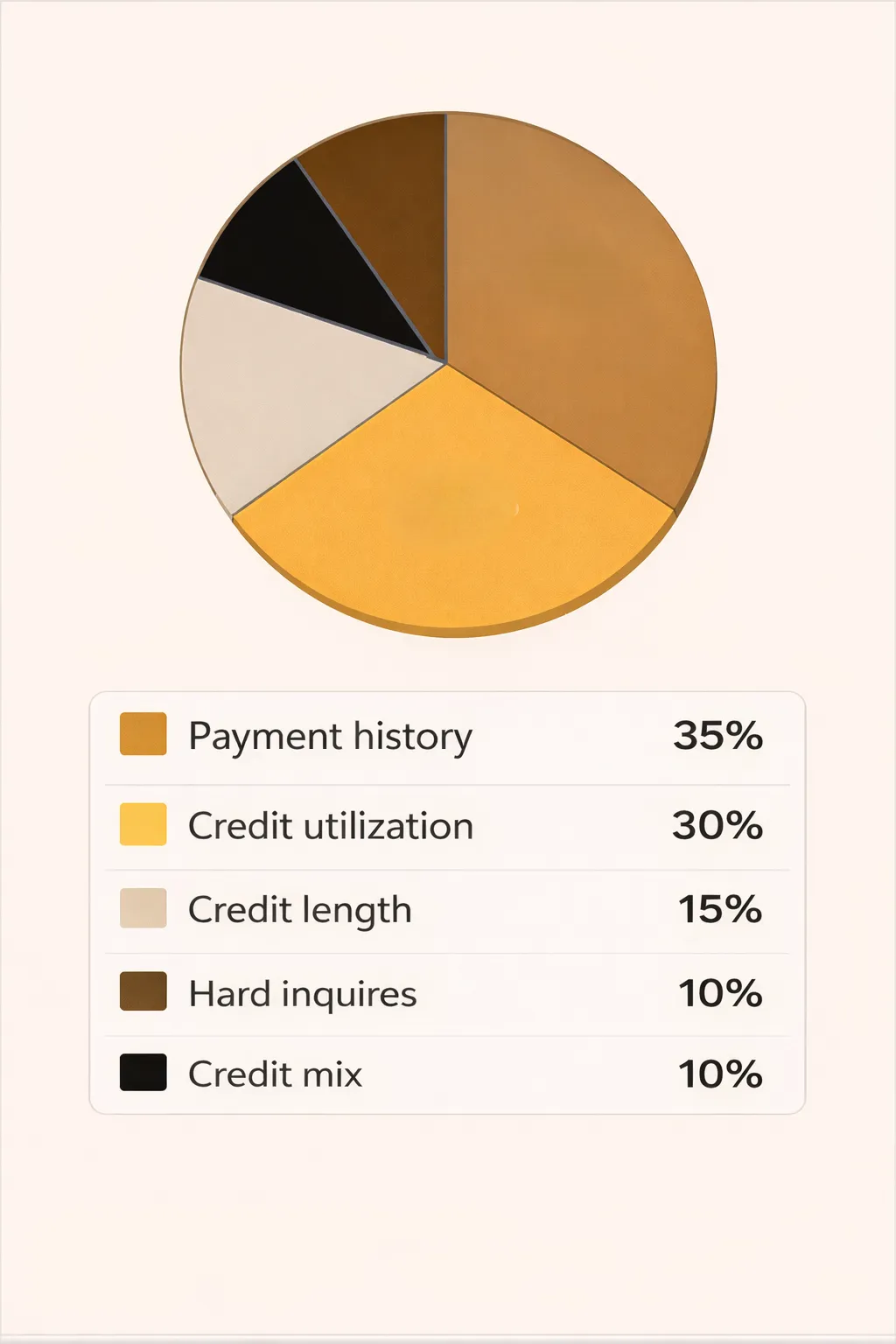
See what may be impacting the different areas of your credit
How Credit Issues Are Actually Resolved
Credit issues are resolved in different ways, depending on their complexity and the level of enforcement required

Path 1: Education & Self-Action
1.Learn how credit works
2.Understand your reports
3.Identify inaccuracies.
4.Know when escalation is needed

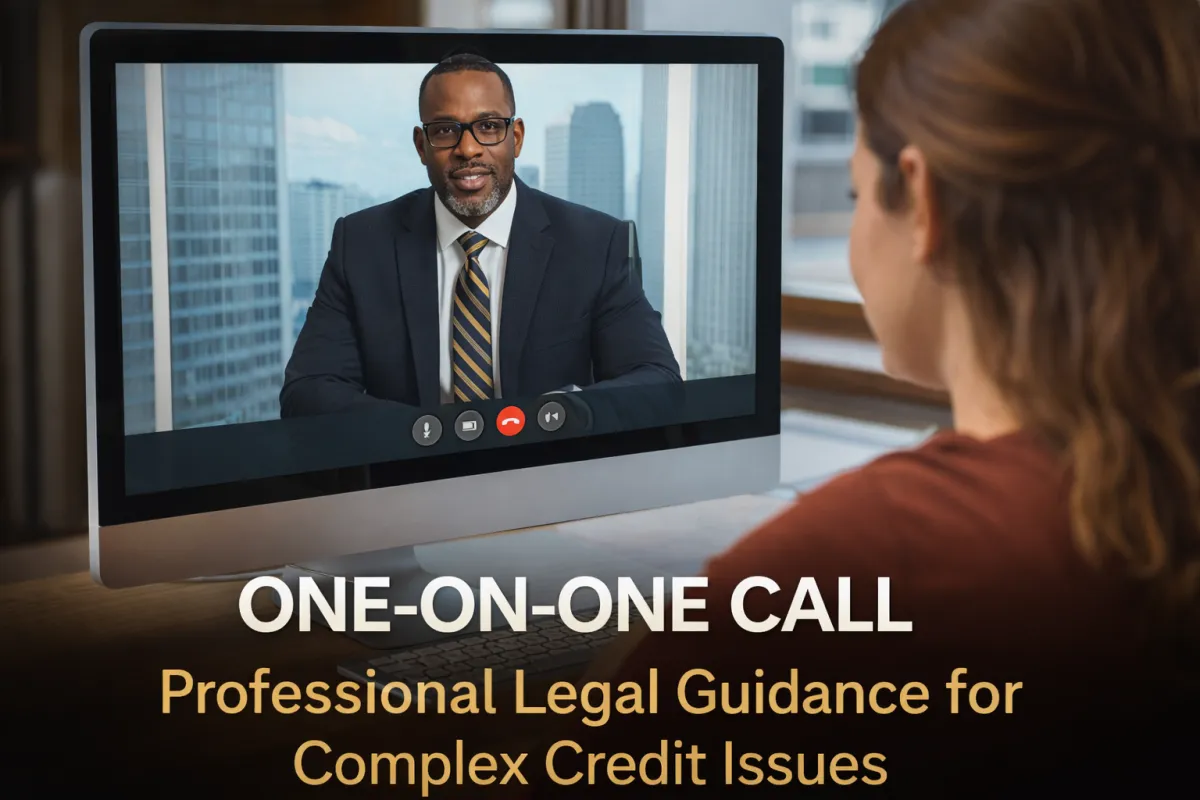
Path 2: Professional Legal Resolution
1. For complex or high-impact derogatories
2. Structured, multi-phase process
3. Not for everyone!
This is not a dispute service and is not suitable for minor or easily correctable issues.
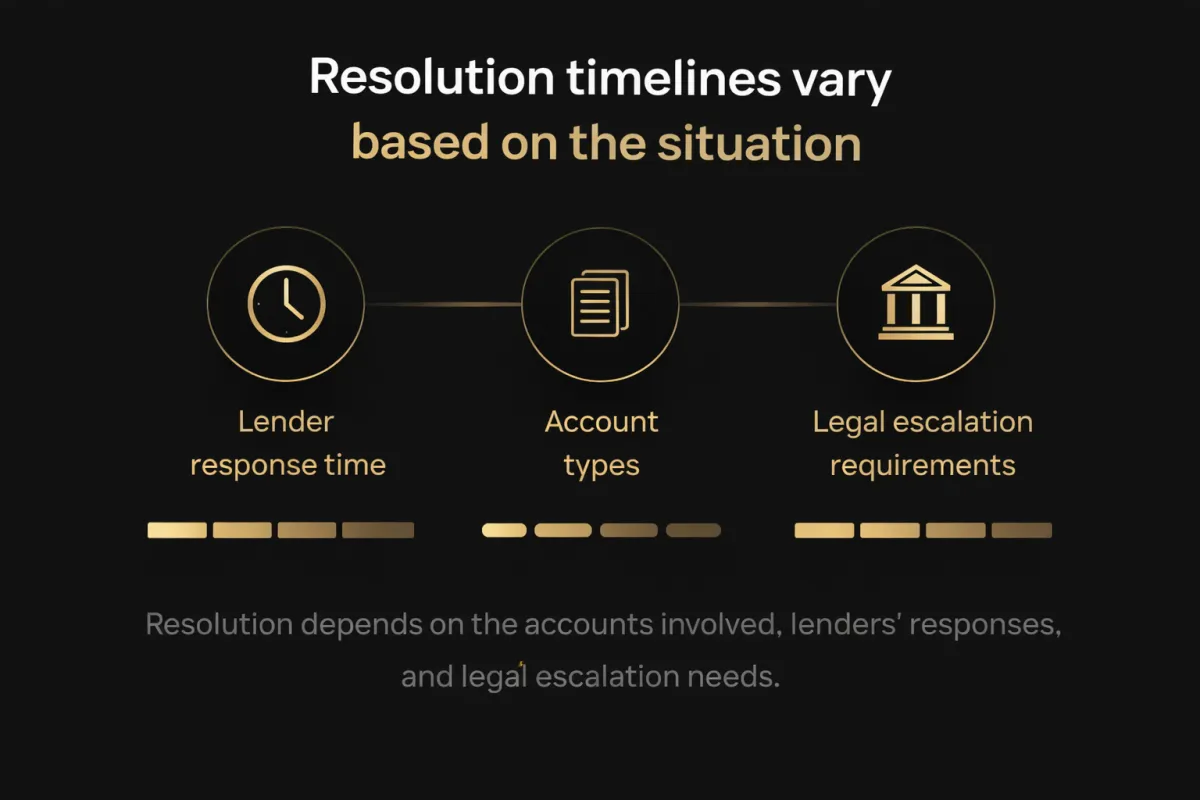
How long does It Take?
Online reviews from our members


My experience has been extremely excellent every time I call. I always get professional people with a wonderful attitude who truly want to help me. Thank you ClearPathCredit.co
Yvonne S.
New York | August 2024

Quick, reliable and inexpensive service. I learned a lot about credit. This has helped me purchase a new vehicle with low rates.
DrReba R.
New York | March 2024
My credit score has reached an all-time high since I first applied. All my questionable negative items have been removed and I’m able to get the things I need in life.
Devon T.
Pennsylvania | October 2024
How People Work With Us?
Different paths depending on your situation

DIY/Online Courses
Recommended for those who have a lot of time to invest and the willpower to follow through on all the action needed to realize the results.

1-on-1 Legal Resolution
(application-based)
Recommended for those who do not have a much time and would rather it be taken care of expeditiously and legally correct.
FICO and “The score lenders use” are trademarks or registered trademarks of Fair Isaac Corporation in the United States and other countries.
© Copyright 2026 | ClearPathCredit.org | All Rights Reserved